Main Image

User Experience

3D Navigator

3D Navigator

3D Navigator

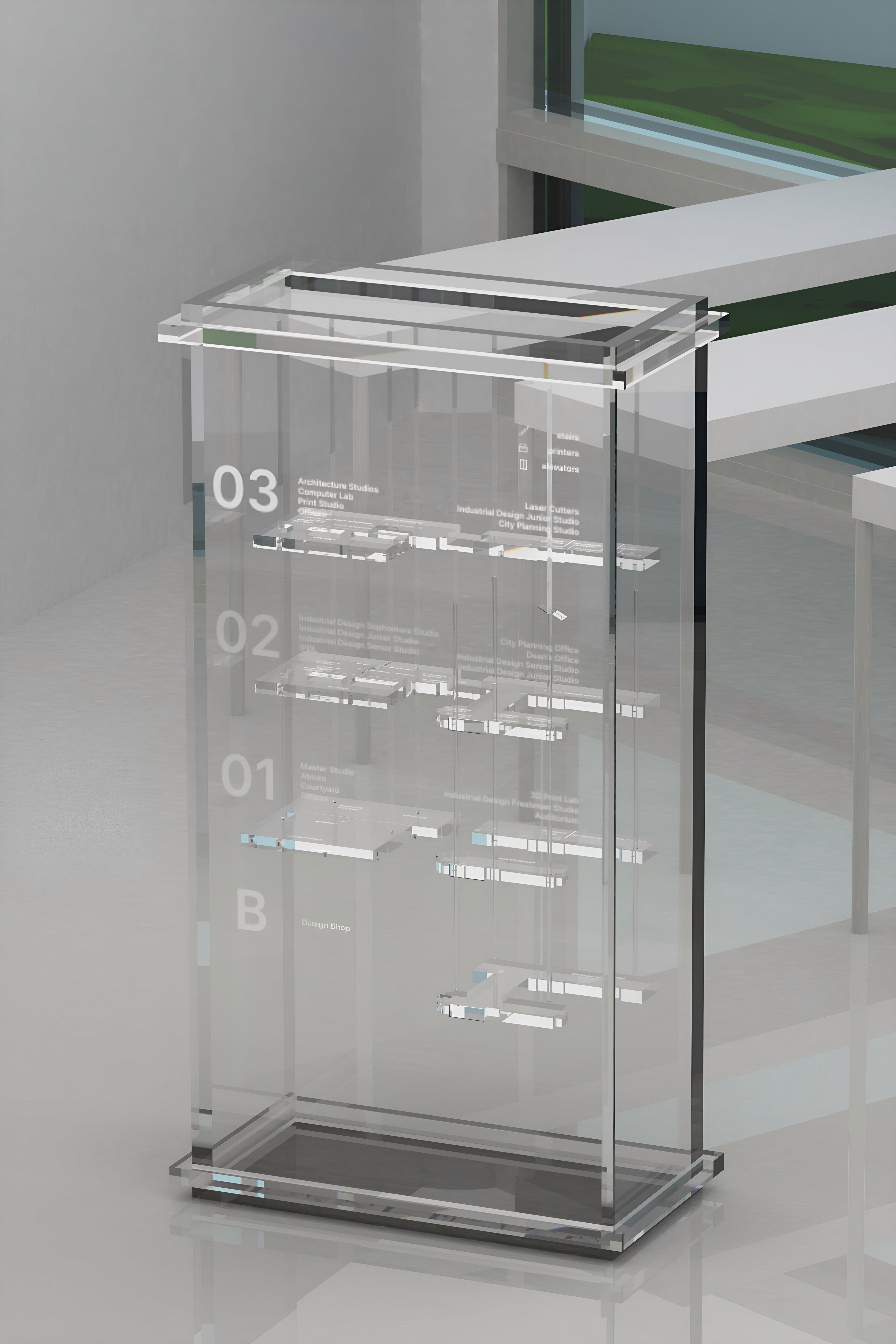
3D Navigator is an interactive, spatial wayfinding system designed as a central touchpoint at the entrance of the College of Design. It transforms navigation into an intuitive, engaging experience while doubling as a dynamic installation.

3D Navigator is an interactive, spatial wayfinding system designed as a central touchpoint at the entrance of the College of Design. It transforms navigation into an intuitive, engaging experience while doubling as a dynamic installation.

Duration

8 Weeks

Date

Team

Jenny Gao, Emily Zhang, Youjin Chung, Grace Tseng

01 — Overview

01 — Overview

Students and visitors entering the design building lack a clear, immediate understanding of how to navigate the space. Existing wayfinding is static, fragmented, and not designed for diverse users or real-time needs.

Students and visitors entering the design building lack a clear, immediate understanding of how to navigate the space. Existing wayfinding is static, fragmented, and not designed for diverse users or real-time needs.

02 — Research

02 — Research

The building entrance acts as a natural decision point. A centralized, interactive system can orient users instantly while serving as a shared, accessible interface for all departments.

The building entrance acts as a natural decision point. A centralized, interactive system can orient users instantly while serving as a shared, accessible interface for all departments.

03 — Process

03 — Process

In progress — check back soon.

04 — Design

04 — Design

Concept

A large-scale, touch-responsive 3D navigator that visualizes the building in layered, exploded views—allowing users to physically and visually engage with space before moving through it.

Interaction Design

Users select destinations by touching etched labels on the acrylic surface. In response, embedded fiber lighting illuminates a clear path across floors, creating a direct mapping between touch and movement.

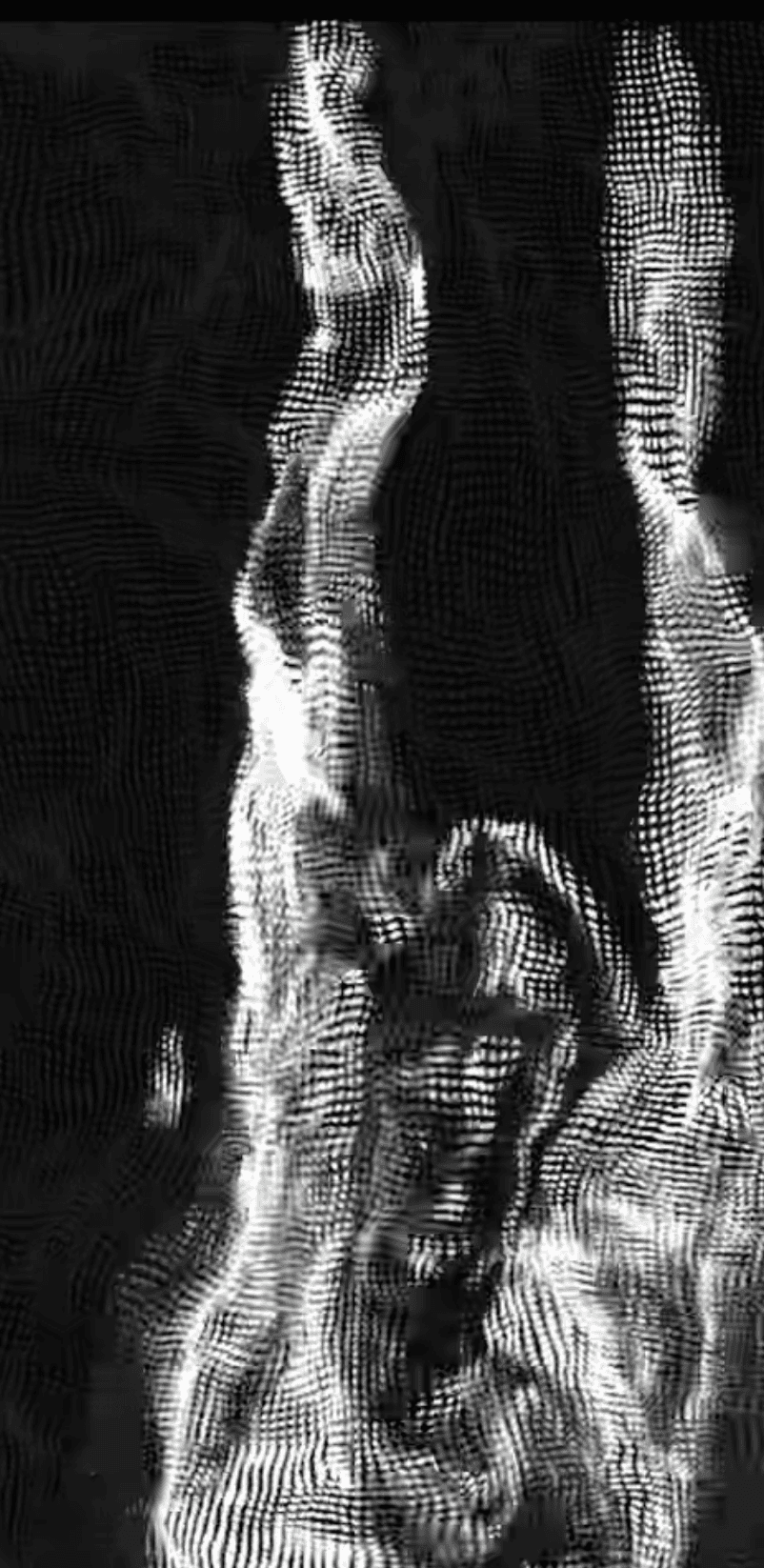
Experience (Idle State)

When not in use, the navigator shifts into an ambient interactive display—capturing and translating passerby movement into flowing shadow visuals, ensuring the system remains active and inviting.

Form & Material

A 6ft transparent acrylic structure with layered floor plates and etched wayfinding labels. Integrated fiber lighting and touch sensors are embedded within the material, merging physical form with digital interaction.

System Thinking

The navigator functions as a shared infrastructure—supporting equitable access, adaptable use, and intuitive navigation across multiple buildings and user types.

05 — Outcome

05 — Outcome

A hybrid of product, interface, and environment that redefines wayfinding as an interactive, spatial experience—bridging industrial design and HCI.

A hybrid of product, interface, and environment that redefines wayfinding as an interactive, spatial experience—bridging industrial design and HCI.

06 — Reflection

06 — Reflection

In progress — check back soon.

More Projects